
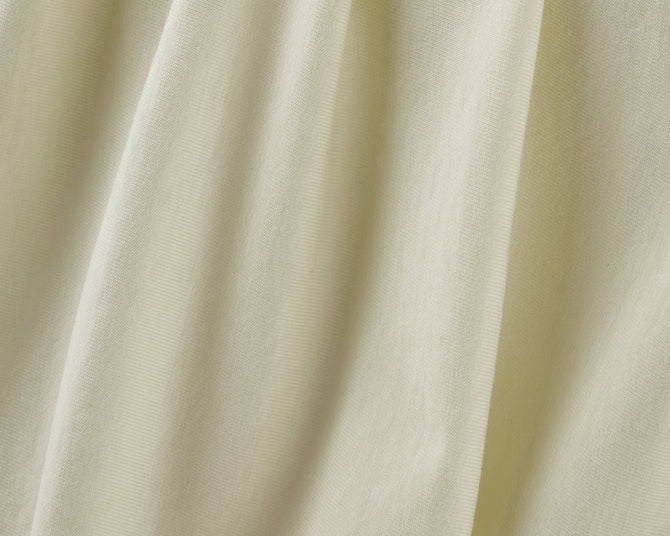



What Is Cotton-Modal Fabric? A Guide to Softness, Drape, and Everyday Comfort
Cotton-modal fabric is a blend of cotton and modal fibers, combining the familiar comfort of cotton with the smoothness and fluid drape of modal. Widely used in T-shirts, fitted tops, loungewear, and everyday essentials, this blend offers apparel brands a way to create softer, more refined versions of classic cotton garments.
Cotton is a natural plant fiber valued for its softness, breathability, and comfortable hand feel. Modal, on the other hand, is a regenerated cellulosic fiber made from wood pulp, commonly sourced from beech trees. It is known for its smooth texture, moisture absorption, and supple drape.
By combining these two fibers, manufacturers can balance cotton's familiar feel and body with modal's softness and fluidity.
Common cotton-modal ratios include 60% cotton / 40% modal and 50% cotton / 50% modal, although compositions vary depending on the desired fabric characteristics. Cotton-modal can be produced as woven or knitted fabric, with knitted constructions being especially popular for comfortable everyday apparel.
How Does Cotton-Modal Fabric Feel?
One of the main reasons brands choose cotton-modal is its distinctive hand feel.
Compared with conventional cotton jersey, cotton-modal knits often feel smoother, softer, and more supple. Modal contributes a silky touch and fluid drape, while cotton helps maintain a familiar, comfortable texture.
The finished fabric can also have a subtle, refined appearance. Depending on the yarn, knit construction, and finishing process, cotton-modal may display a cleaner surface and a softer luster than standard cotton jersey.
However, not all cotton-modal fabrics feel the same.
A lightweight cotton-modal jersey may feel flowing and delicate, making it suitable for relaxed T-shirts and layering tops. A denser interlock or rib construction can provide more body and a more substantial hand feel, making it better suited to fitted garments.
This flexibility allows designers to use the same fiber combination across different garment styles.
Key Benefits of Cotton-Modal Knit Fabrics
Cotton-modal blends offer several characteristics that make them attractive for everyday apparel development.
- Softness & Skin Comfort: Modal contributes a smooth, gentle touch that complements cotton's natural softness. The combination is particularly appealing for next-to-skin garments, including T-shirts, camisoles, and loungewear.
- Fluid Drape: Cotton-modal fabrics can create a softer, more flowing silhouette than conventional cotton knits of similar construction. This makes them useful for relaxed tops, draped garments, and lightweight dresses.
- Moisture Absorption & Breathability: Both cotton and modal are moisture-absorbing cellulosic fibers. Their ability to absorb perspiration contributes to everyday wearing comfort, while air permeability depends on factors such as knit structure, fabric density, and finishing.
- Smooth Surface & Refined Appearance: Modal can help create a fine, even fabric surface with a subtle luster. This gives basic garments a more polished appearance without requiring elaborate design details.
- Stretch & Recovery Options: Cotton and modal are not inherently elastic fibers. However, knitted constructions such as jersey and rib provide mechanical stretch through their loop structures. Adding elastane can further improve stretch and recovery, making the fabric suitable for close-fitting garments.
- Everyday Wearability: Cotton-modal fabrics can offer comfortable, practical options for frequently worn clothing. Shrinkage, pilling resistance, colorfastness, and shape retention still depend on yarn quality, construction, finishing, and garment care.
Cotton-Modal vs. 100% Cotton: What's the Difference?
Both fabrics are suitable for everyday clothing, but they can create different tactile and visual effects.
100% cotton jersey is valued for its natural comfort, versatility, and familiar hand feel. Depending on yarn selection and construction, it can have a dry, matte surface or a smoother, more substantial texture.
Cotton-modal jersey typically emphasizes softness, surface smoothness, and fluid drape. The modal component can give the fabric a more refined touch, making it attractive for elevated basics and garments worn directly against the skin.
Neither material is automatically better. Brands looking for a classic, structured cotton T-shirt may prefer a carefully engineered cotton jersey, while those developing softer, more fluid silhouettes may find cotton-modal particularly appealing.
Fabric construction and finishing remain just as important as fiber composition.
Common Applications in Everyday Apparel
Cotton-modal blends are versatile enough to support a wide range of knitted garment categories.
- T-Shirts & Casual Tops: Soft jersey constructions are suitable for everyday T-shirts, relaxed crewnecks, and premium basics where hand feel and drape are important.
- Fitted Tops & Tank Tops: Cotton-modal rib knits, particularly those blended with elastane, can provide comfortable stretch and a close-to-body fit for tanks, fitted T-shirts, and long-sleeve layering pieces.
- Dresses & Skirts: Lightweight jersey offers fluid movement for relaxed dresses, while more substantial interlock or stretch constructions can support fitted styles.
- Loungewear & Sleepwear: The blend's soft texture and comfortable moisture absorption make it appealing for lounge tops, pajama sets, and lightweight homewear.
- Base Layers & Underwear: Smooth, lightweight cotton-modal knits can provide comfortable next-to-skin options, particularly when combined with suitable stretch properties and finishing.
What Should Brands Consider When Sourcing Cotton-Modal Fabric?
For apparel brands and product developers, selecting cotton-modal fabric involves more than choosing a fiber ratio.
The cotton-to-modal proportion influences the fabric's overall character. A higher modal percentage may emphasize softness and fluidity, while a higher cotton percentage may help retain a more familiar cotton hand feel.
Knit construction is equally important. Jersey is commonly selected for T-shirts and relaxed tops, rib for stretch-oriented fitted garments, and interlock for applications requiring a smoother, more substantial fabric.
Fabric weight, yarn quality, elastane content, and finishing should also be considered alongside the intended garment silhouette.
Before bulk production, brands should evaluate relevant performance requirements, including dimensional stability after washing, pilling resistance, colorfastness, and stretch recovery where applicable.
For sustainability-focused collections, sourcing teams can also explore certified or traceable modal fibers, such as TENCEL™ Modal, alongside responsibly sourced cotton options. Environmental characteristics and certification claims should be verified for the specific fibers and finished fabrics being purchased.
A Versatile Choice for Modern Essentials
Cotton-modal fabric brings together two complementary materials: cotton's familiar comfort and modal's smooth, fluid character.
Its appeal lies in creating everyday garments that feel more refined without sacrificing practicality. From lightweight T-shirts to fitted layering tops and comfortable loungewear, cotton-modal offers designers flexibility in texture, drape, and silhouette.
For brands developing premium everyday essentials, the right cotton-modal blend can turn a simple garment into a product distinguished by its material quality and wearing experience.
FAQ
What is cotton-modal fabric and why is it considered sustainable?
Cotton-modal fabric is a blend of 50–70% cotton and 30–50% modal — a high-wet-modulus rayon made from sustainably harvested beech tree pulp. Modal is produced via an eco-efficient closed-loop process that recovers and reuses up to 95% of solvents, making it significantly more sustainable than conventional viscose. Combined with natural cotton, the blend offers biodegradability, reduced environmental impact, and responsible fiber sourcing — aligning with ESG goals for fashion brands.
How does cotton-modal compare to 100% cotton in terms of softness, drape, and shrinkage?
Cotton-modal is notably softer and smoother than 100% cotton due to modal’s fine filaments, offering a cool, supple hand feel ideal for next-to-skin wear. It drapes more fluidly while retaining gentle structure — unlike cotton jersey, which can appear matte and stiffen over time. Crucially, modal resists shrinkage better than cotton alone, resulting in superior wash stability and consistent fit across garment lifecycles.
Is cotton-modal suitable for performance-oriented or activewear-adjacent styles?
While not a high-stretch technical fabric on its own, cotton-modal knits (especially with 2–5% spandex) deliver comfortable, moderate stretch and excellent recovery — making them well-suited for elevated lounge, athleisure, and relaxed-fit tops or dresses. Its superior moisture absorption and breathability outperform standard cotton, reducing cling and enhancing all-day comfort — though it’s not intended for high-intensity sweat-wicking like synthetics or specialized performance blends.
What weight and construction options are typical for cotton-modal fabric, and how do they influence design use?
Cotton-modal typically ranges from 140–220 gsm, placing it in the mid-weight category. Lighter constructions (140–170 gsm) work well for flowy tops and summer dresses; mid-range (170–200 gsm) offers balanced drape and structure for T-shirts, camisoles, and skirts; heavier weights (200–220 gsm) provide subtle body for structured knit dresses or layering pieces. It’s commonly found in single-knit, interlock, or ribbed constructions — each offering different levels of stretch, recovery, and surface texture.
How should cotton-modal fabric be cared for to maintain color, shape, and softness over time?
To preserve cotton-modal’s integrity, we recommend machine washing cold on a gentle cycle, using mild detergent, and laying flat or hanging to dry. Avoid high heat (tumble drying or hot irons), as excessive heat can degrade modal fibers and reduce softness. The blend holds color vibrancy well and resists pilling and shrinkage better than cotton alone — supporting low-maintenance care instructions that resonate with conscious consumers and reduce brand returns.
Related Blogs
Add a short description for your brand news

A Brief Introduction to Modal Clothing Fabric in 2026

Cotton Blend Fabrics for Athleisure: Balancing Comfort & Durability

Cotton vs Polyester in Knit Fabrics: Comfort or Structure for Urban Commuterwear?