


Leinenmischgewebe erklärt: Was es ist, wie es hergestellt wird und warum es wichtig ist
Leinenmischungen werden in der Textilindustrie zunehmend wegen ihrer einzigartigen Kombination aus natürlicher Ästhetik und verbesserter Leistung nachgefragt. Als B2B-Lieferant von technischen Strickwaren ist Regen-tech Fashion auf Leinenmischungen spezialisiert, die den organischen Reiz von Leinen mit den technischen Vorteilen synthetischer oder anderer Naturfasern verbinden. Dieser Artikel erklärt die Zusammensetzung, den Herstellungsprozess und die praktischen Vorteile von Leinenmischungen für moderne Bekleidungsanwendungen und bietet umsetzbare Erkenntnisse für Marken und Hersteller.
Was ist ein Leinenmischgewebe?
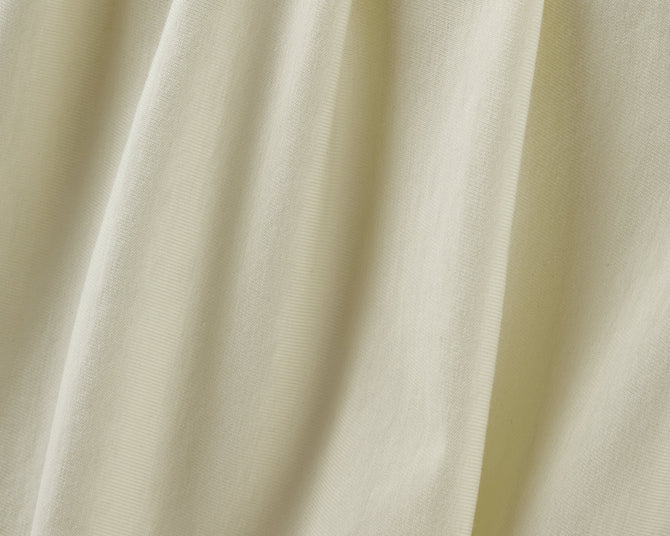
Ein Leinenmischgewebe ist ein Textil, das Leinenfasern mit anderen Materialien – wie Baumwolle, Polyester oder Tencel™ – kombiniert, um die Funktionalität zu verbessern, während die natürliche Textur und Atmungsaktivität von Leinen erhalten bleibt. Gängige Mischungen umfassen:
- Leinen-Baumwolle: Gleicht die Knackigkeit von Leinen mit der Weichheit von Baumwolle aus, ideal für Freizeitkleidung. Diese Mischung ist besonders beliebt bei hochwertiger Loungewear und Resort-Kollektionen, wo Komfort auf Raffinesse trifft.
- Leinen-Polyester: Verbessert die Strapazierfähigkeit und Knitterbeständigkeit für urbane Pendlerkleidung. Die Zugabe von Polyester (oft recycelt) verbessert die Formbeständigkeit und macht es zu einer bevorzugten Wahl für strukturierte Blazer und reisefreundliche Einzelteile.
- Leinen-Tencel™: Fügt feuchtigkeitsableitende Eigenschaften hinzu, geeignet für Athleisure- und Lifestyle-Kollektionen. Die Mischung nutzt den glatten Fall von Tencel und die nachhaltige Beschaffung, was umweltbewusste Marken anspricht.
- Leinen-Wolle: Kombiniert die Atmungsaktivität von Leinen mit den isolierenden Eigenschaften von Wolle, perfekt für Übergangs-Oberbekleidung oder Anzüge für alle Jahreszeiten.
Diese Mischungen wurden entwickelt, um die Einschränkungen von Leinen (z. B. Knitterbildung, Steifigkeit) zu beheben und seine Stärken (z. B. Wärmeregulierung, biologische Abbaubarkeit) zu verstärken. Für B2B-Partner bedeutet dies weniger Kompromisse zwischen Ästhetik und Leistung.
Wie Leinenmischungen hergestellt werden
Leinenmischgewebe werden durch einen sorgfältigen Prozess entwickelt, der auf die Anforderungen des Endverbrauchs zugeschnitten ist:
- Faserauswahl: Hochwertige Leinenfasern werden mit komplementären Materialien kombiniert, basierend auf dem gewünschten Endverwendungszweck (z. B. Polyester für die Dehnungsrückgewinnung, Tencel™ für Nachhaltigkeit). Vorbehandlungen wie Enzymwäschen können auf Leinenfasern angewendet werden, um die Weichheit zu verbessern.
- Garnentwicklung: Fasern werden zu Hybridgarnen gesponnen, wobei Techniken wie Kernspinnen (bei dem Leinen einen synthetischen Kern umwickelt) oder inniges Mischen (gründliches Fasermischen für Gleichmäßigkeit) verwendet werden. Fortschrittliche Spinnverfahren, wie Kompakt- oder Vortexspinnen, gewährleisten die Konsistenz der Garnfestigkeit.
- Stricken/Weben: Die Garne werden zu Stoffen gestrickt oder gewebt, mit strukturellen Innovationen (z. B. Netzintegrationen für Atmungsaktivität, Doppelstrickkonstruktionen für Strapazierfähigkeit). Für Performance-Anwendungen können in dieser Phase feuchtigkeitsableitende Ausrüstungen aufgebracht werden.
- Veredelung: Behandlungen wie Enzymwäsche, Silikonweichmachung oder Antistatik-Beschichtungen verfeinern das Handgefühl und die Leistung. Für Stadtkleidung kann eine Harzausrüstung hinzugefügt werden, um das Knittern zu reduzieren, während Öko-Ausrüstungen wie BlueSign®-zertifizierte Farbstoffe die Einhaltung von Nachhaltigkeitsstandards gewährleisten.
Regen-tech Fashion nutzt diesen Prozess, um Stoffe herzustellen, die strengen B2B-Anforderungen entsprechen, von der Abriebfestigkeit bis zur Farbechtheit, und gewährleistet so die Konsistenz bei groß angelegten Produktionsläufen.
Warum Leinenmischungen für B2B-Anwendungen wichtig sind
Leinenmischungen bieten Marken und Herstellern spürbare Vorteile, die sowohl kommerzielle als auch Nachhaltigkeitsziele vereinen:
- Leistungsverbesserungen: Mischungen mit Synthetik verbessern die Knitterbeständigkeit und Formbeständigkeit, wodurch die Kosten für die Kleidungsstückpflege gesenkt werden (bestätigt durch ASTM International Standards). Zum Beispiel kann eine Mischung aus 55 % Leinen und 45 % Polyester den Bügelbedarf um bis zu 40 % reduzieren, ein entscheidender Faktor für Unternehmensuniformen oder Hotelleinen.
- Nachhaltigkeit: Die biologisch abbaubaren Eigenschaften von Leinen passen zu umweltbewussten Initiativen, insbesondere wenn es mit Lyocell oder recyceltem Polyester gemischt wird (zertifiziert durch OEKO-TEX®). Marken, die auf Kreislaufwirtschaft abzielen, können diese Mischungen nutzen, um EPR-Rahmenwerke (Extended Producer Responsibility) zu erfüllen.
- Vielseitigkeit: Geeignet für verschiedene Kategorien, von maßgeschneiderter Athleisure-Kleidung bis hin zu leichter Oberbekleidung, dank anpassungsfähigem Fall und Feuchtigkeitsmanagement. Zum Beispiel wird eine Leinen-Tencel™-Mischung mit 4-Wege-Stretch zunehmend für Hybrid-Designs von Yoga- bis Streetwear verwendet.
Schlüsselanwendungsfälle für Leinenmischungen
- Urbane Pendlerkleidung: Leinen-Polyester-Mischungen bieten Struktur und Pflegeleichtigkeit für Büro- und Straßenkleidung. Eine 60/40-Mischung aus Leinen und recyceltem Polyester ist ein Highlight für knitterfreie Hosen oder Blazer in Unternehmenskollektionen.
- Moderne Lifestyle-Kollektionen: Leinen-Baumwoll-Mischungen bieten einen entspannten und dennoch eleganten Look für Resort-Wear oder minimalistische Designs. Ungebleichtes Leinen-Baumwolle (70/30) ist ein Favorit für Anwendungen mit Bio-Farbstoffen, die den Slow-Fashion-Markt ansprechen.
- Funktionale Athleisure-Kleidung: Leinen-Tencel™-Mischungen bieten Atmungsaktivität und Geruchsbeständigkeit für hybride Activewear. Marken wie COS und Eileen Fisher haben diese Mischungen erfolgreich in Kapselkollektionen für bewusste Verbraucher integriert.
- Textilien für das Gastgewerbe: Leinen-Rayon-Mischungen gewinnen bei Hotelleinen und Tischwäsche an Beliebtheit und verbinden den luxuriösen Griff von Leinen mit der kostengünstigen Haltbarkeit von Rayon.
Abschließende Gedanken
FAQ
Was ist ein Leinenmischgewebe?
Ein Leinenmischgewebe ist ein Textil, das Leinenfasern mit anderen Materialien wie Baumwolle, Polyester oder Tencel™ kombiniert, um die Funktionalität zu verbessern, während die natürliche Textur und Atmungsaktivität von Leinen erhalten bleiben. Gängige Mischungen umfassen Leinen-Baumwolle für Weichheit, Leinen-Polyester für Strapazierfähigkeit, Leinen-Tencel™ für Feuchtigkeitstransport und Leinen-Wolle für Isolierung.
Welche Vorteile bieten Leinen-Baumwoll-Mischungen?
Leinen-Baumwoll-Mischungen gleichen die Knackigkeit von Leinen mit der Weichheit von Baumwolle aus, was sie ideal für Freizeitkleidung, hochwertige Loungewear und Resort-Kollektionen macht. Diese Mischung bietet Komfort und Raffinesse, während die oft mit reinem Leinen verbundene Steifigkeit reduziert wird.
Wie verbessert die Zugabe von Polyester zu Leinen den Stoff?
Leinen-Polyester-Mischungen verbessern die Strapazierfähigkeit und Knitterbeständigkeit, wodurch sie für urbane Pendlerkleidung und strukturierte Blazer geeignet sind. Das Polyester (oft recycelt) verbessert die Formbeständigkeit und macht den Stoff reisefreundlicher und pflegeleichter.
Was macht Leinen-Tencel™-Mischungen für Athleisure-Kleidung so beliebt?
Leinen-Tencel™-Mischungen sind für Athleisure- und Lifestyle-Kollektionen beliebt, da Tencel™ feuchtigkeitsableitende Eigenschaften und einen geschmeidigen Fall verleiht. Diese Kombination nutzt sowohl die Atmungsaktivität von Leinen als auch die nachhaltige Beschaffung von Tencel, was umweltbewusste Marken anspricht.
Wie werden Leinenmischgewebe hergestellt?
Leinenmischgewebe werden in einem sorgfältigen Prozess hergestellt: 1) Faserauswahl, wobei Leinen mit ergänzenden Materialien kombiniert wird; 2) Garnentwicklung unter Verwendung von Techniken wie Kernspinnen oder Intimblending; 3) Stricken/Weben mit strukturellen Innovationen; und 4) Veredelungsbehandlungen wie Enzymwäsche oder Silikonweichmachung für verbesserte Leistung und Haptik.
Beliebte Stoffe 2026
Beschreiben Sie hier Ihre vorgestellte Kollektion


Ähnliche Blogs
Fügen Sie eine kurze Beschreibung für Ihre Markennachrichten hinzu

Warum Designer Leinenmischungen lieben: Baumwoll-Leinen / TENCEL™-Leinen / Wolle-Leinen

Warum Leinen in tropischen Ländern immer beliebter wird

Leinenstrickwaren: Warum der Markt von Webwaren zu Strickwaren übergeht