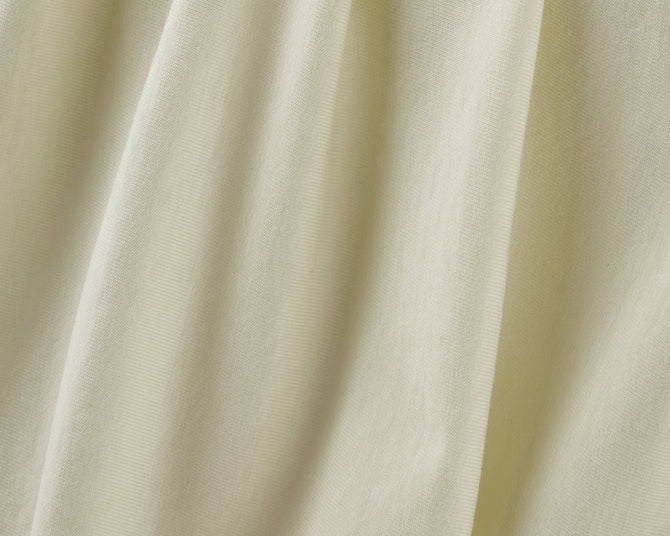



A simple summer T-shirt can reveal a great deal about fabric design. Beyond softness and comfort, its character comes from how the fabric falls, how the surface catches the light, and the subtle textures visible up close.
Linen has long been valued for its distinctive, naturally irregular texture. Contemporary fashion brands such as CHICJOC have explored this material in everyday essentials, including linen T-shirts, where the fabric itself brings character to otherwise understated silhouettes.
But what if a brand wants that natural, linen-inspired appearance with the softer touch and flexibility of Lyocell knits?
This is where fiber and yarn innovation can open up new possibilities for summer apparel.
Natural Texture Is Becoming a Design Direction for Knits
Interest in natural-looking surfaces extends beyond traditional linen clothing.
In its Spring/Summer 2026 fabric report, Première Vision identified Linen-y Knits as a direction, highlighting rustic, irregular surfaces and naturally slubbed effects.
The Peclers Paris × Texworld NYC Spring/Summer 2027 Trend Preview also explored irregular yarns, slubs and tactile textures under its Global Citizen theme.
These observations point to a broader design opportunity: surface texture can give familiar garments a more distinctive identity without relying on bold prints or decorative details.
For knit fabric development, the possibilities go beyond conventional linen blends. Fine slubs, subtle irregularities and a dry, natural-looking surface can be explored through different fiber combinations, yarn designs and knit constructions.
The objective is not necessarily to reproduce traditional linen, but to offer designers more ways to express its visual character.
Engineering Linen-Like Character at the Yarn Level

Conventional Lyocell knit fabrics are often associated with a smooth surface, soft handfeel and fluid drape. These qualities work well for many next-to-skin and everyday garments, but they are not the only possibilities for the fiber.
At Regen-tech Fashion, our linen-inspired Lyocell collection begins with a customized fiber specification based on TENCEL™ Lyocell A100, developed in collaboration with Lenzing.
Using a longer fiber cut length than conventional Lyocell specifications, together with specialized yarn development, the collection explores a different tactile and visual character.
Rather than relying solely on surface finishing to create texture, this approach builds the linen-inspired character into the yarn itself.
The resulting knit fabrics are designed to combine several qualities:
- Natural-looking texture: subtle slubs and irregular details that give the surface visual depth.
- Softness with body: a gentle handfeel accompanied by a more substantial, slightly crisp character.
- Versatile fabric expression: different combinations of composition and knit construction to suit both relaxed and fitted silhouettes.
The development moves beyond the familiar smooth, flowing appearance of Lyocell, offering a surface with more visible character while retaining the fiber's soft-touch appeal.
Importantly, the finished fabric's handfeel, drape and structure still depend on the complete construction, not the fiber specification alone.
With Linen or Without? Two Routes to a Linen-Inspired Look
One of the most interesting aspects of linen-inspired Lyocell development is that the desired appearance does not always require a high percentage of actual linen.
Regen-tech's collection explores two different material routes.

Lyocell-Linen Blends: Natural Fiber Character with a Softer Touch
Fabric 6591 combines 90% Lyocell with 10% French linen in a single jersey construction.
The linen contributes natural fiber character and irregular surface details, while Lyocell provides the dominant soft-touch component of the blend.
At 165 gsm, the fabric offers a relatively lightweight option within the collection, with a gently textured appearance and a handfeel developed for comfortable everyday wear.
This combination is particularly relevant to relaxed summer T-shirts, lightweight tops and casual cover-ups, where the fabric's surface character can add interest to an otherwise minimal silhouette.
The design goal is not simply to maximize linen content. It is to find a balance between natural texture, softness and the desired garment shape.
Linen-Look Lyocell Without Linen
Fabric 6596 takes a different approach.
Made from 91.3% Lyocell and 8.7% elastane, it contains no linen. Yet its specially developed Lyocell yarn creates slub-like irregularities and a visual texture reminiscent of linen.
Combined with a 1×1 rib construction, the fabric offers a natural-looking surface alongside the stretch required for more fitted garments.
This opens another route for designers who want a linen-inspired aesthetic but prefer a Lyocell-elastane composition for their project.
The distinction matters: linen content and linen-like appearance are not the same thing.
A fabric can contain genuine linen without having a particularly pronounced slub texture. Conversely, a carefully engineered yarn can create a linen-inspired surface without containing linen at all.
Neither route is inherently better. The appropriate choice depends on whether the collection prioritizes actual linen content, a particular surface appearance, stretch or a combination of these requirements.
From Single Jersey to Rib: Different Knits for Different Silhouettes
Yarn development establishes the material's character, but knit construction determines how that character is expressed in a garment.
Première Vision's Spring/Summer 2027 fabric overview highlighted renewed interest in rib structures for cut-and-sew apparel, particularly their ability to bring texture and elasticity to everyday tops.
Regen-tech's linen-inspired Lyocell collection follows a similar design opportunity, offering single jersey and rib constructions for different garment directions.
| Fabric | Composition | Construction & Specifications | Suggested Applications |
|---|---|---|---|
| 6591 | 90% Lyocell / 10% Linen | Single Jersey, 165 gsm, 130 cm | Relaxed T-shirts, summer tops, cover-ups |
| 6595 | 86.3% Lyocell / 9.6% Linen / 4.1% Elastane | 2×2 Rib, 240 gsm, 145 cm | Stretch tanks, fitted tops, dresses |
| 6617 | 83.7% Lyocell / 9.3% Linen / 7% Elastane | 1×1 Rib, 220 gsm, 170 cm | Fine-rib tops, fitted everyday apparel |
| 6596 | 91.3% Lyocell / 8.7% Elastane | 1×1 Rib, 240 gsm, 155 cm | Linen-look stretch tops, tanks, dresses |
For Relaxed Summer Silhouettes
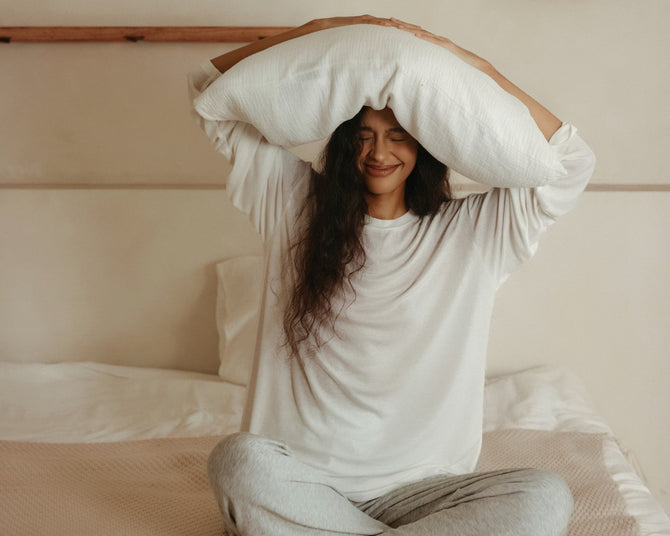
The single jersey construction of 6591 provides a starting point for relaxed T-shirts and easy-fitting summer tops.

Its linen-inspired surface introduces texture without requiring a complex garment design. A simple crew-neck T-shirt, for example, can gain more visual interest from the fabric itself.
For premium basics and contemporary casualwear, this is particularly useful when the design calls for an understated appearance with noticeable material detail.
For Fitted Tops and Dresses
The rib constructions offer a different balance of texture and stretch.
6595, with its 2×2 rib structure and 4.1% elastane, is designed for garments that benefit from a more pronounced rib appearance, elasticity and body.
6617 uses a 1×1 rib structure with 7% elastane, providing another option for fitted tops and dresses where a finer-looking rib texture is desired.
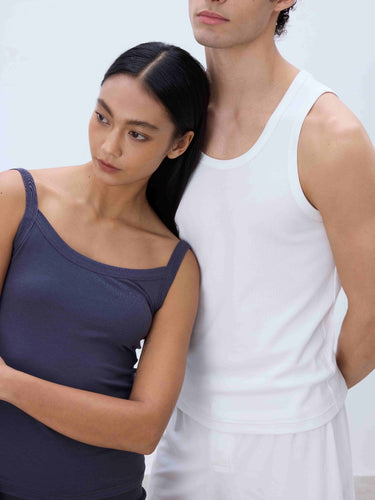
Meanwhile, 6596 combines a 1×1 rib construction with 8.7% elastane and a linen-inspired appearance without actual linen content.
These options allow designers to develop different silhouettes around a related natural-texture aesthetic, from relaxed summer tops to more fitted everyday pieces.
What Should Brands Evaluate When Developing Linen-Look Knits?
A linen-inspired appearance is only one part of fabric selection.
For designers and material developers, it is worth considering how the desired texture interacts with the finished garment.
Surface appearance and consistency. Slubs and irregularities may be attractive in a close-up swatch, but the texture should also work across larger garment panels. The distribution and visual consistency of these details deserve attention during sampling.
Handfeel and silhouette. A fabric that feels soft in the hand may still drape differently from another with a similar composition. The balance between softness, dry touch, body and fluidity should be assessed against the intended garment shape.
Stretch and recovery. For ribbed tops and dresses, elasticity is particularly important. Elastane content offers a useful starting point, but actual stretch and recovery should be evaluated on the selected fabric.
Opacity and dimensional stability. Lightweight summer fabrics and stretch ribs can behave differently when worn, extended or washed. Opacity, shrinkage and changes in surface appearance should therefore be checked according to the garment's requirements.
By evaluating these elements together, brands can move beyond choosing a fabric simply because it contains linen or has a linen-like appearance.
Expanding the Design Possibilities of Lyocell
Natural texture does not have to come from high linen content alone.
Through customized Lyocell fiber development, yarn design and different knit constructions, it is possible to explore linen-inspired surfaces with varying degrees of softness, stretch and structure.
For spring and summer collections, this creates new opportunities to bring character to familiar garments—from relaxed T-shirts to fitted rib tops and dresses.
Regen-tech Fashion's linen-inspired Lyocell collection offers both linen-containing blends and linen-free alternatives, giving designers different starting points for their next development.
Explore our linen-inspired Lyocell knit fabrics and contact Regen-tech Fashion to discuss samples for your next collection.